12 Smart Thermostat Tips That Save Time and Money (2026)
Filter by difficulty:
1
Benchmark your last 12 utility bills
🟢 beginner 🔥 high Impact
Track seasonal highs, rate changes, and usage spikes before making upgrades. Baselines help you verify whether improvements are actually working.
2
Run a quick DIY draft and leak test
🟢 beginner 🔥 high Impact
Use smoke pens or thermal checks around windows, doors, and penetrations. Air leaks are often among the cheapest high-return fixes.
3
Identify top three energy loads
🟢 beginner 🔥 high Impact
In many homes, HVAC, water heating, and refrigeration dominate usage. Focus there first instead of scattering budget across low-impact gadgets.
4
Schedule a professional audit when needed
🟡 intermediate 🔥 high Impact
If bills remain high after basic fixes, an audit can pinpoint insulation gaps, duct losses, and appliance inefficiencies with measurable recommendations.
5
Seal obvious gaps and weatherstrip openings
🟢 beginner 🔥 high Impact
Door sweeps and quality weatherstripping can often pay back within one heating/cooling season in drafty homes.
6
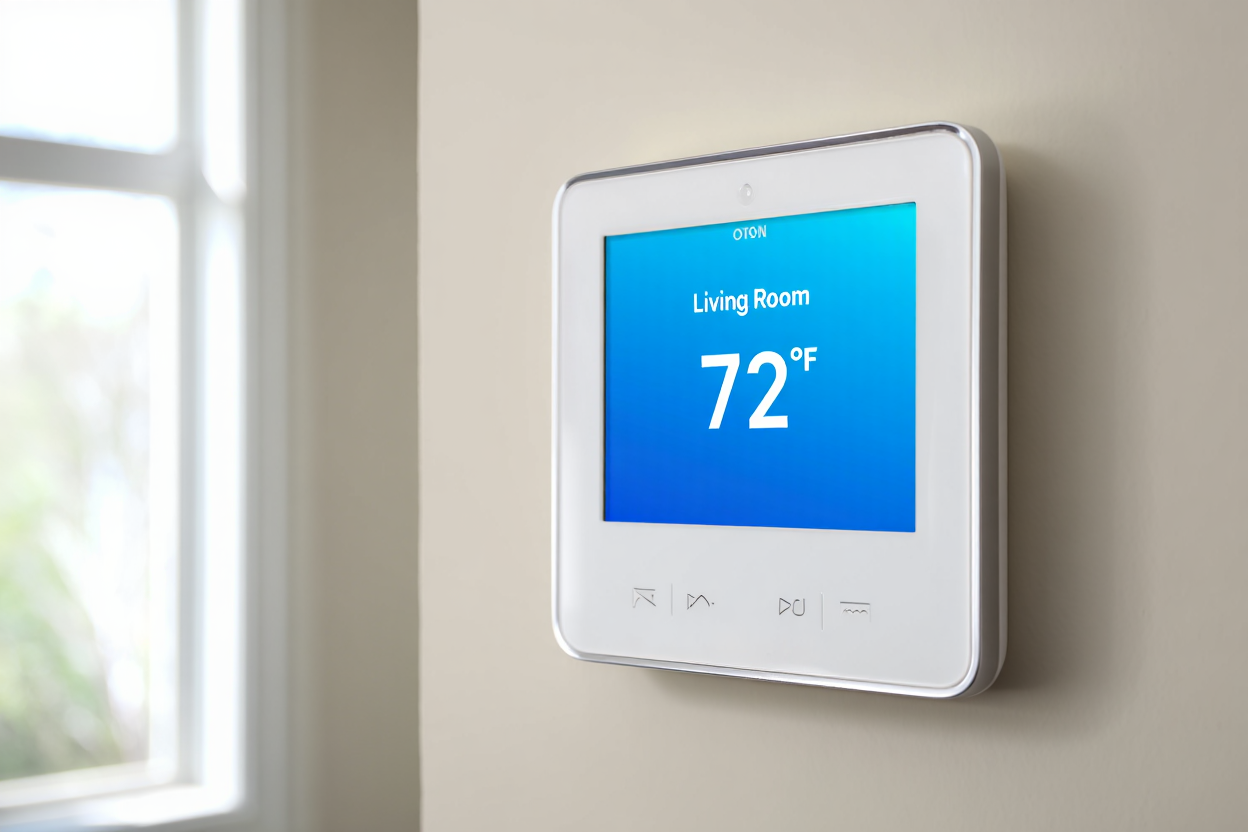
Optimize thermostat schedules by occupancy
🟢 beginner 🔥 high Impact
Program setbacks for sleep and away blocks, then monitor comfort for two weeks. Smart scheduling can trim runtime without sacrificing livability.
7
Swap high-use bulbs to LEDs first
🟢 beginner 💪 medium Impact
Prioritize kitchen, living room, and exterior fixtures with long daily runtime. Targeted LED swaps usually outperform full-home replacement on day one ROI.
8
Eliminate phantom loads with smart strips
🟢 beginner 💪 medium Impact
Cluster entertainment and office devices on advanced power strips. Standby reductions are small per device but meaningful across many outlets.
9
Compare insulation options by R-value and install cost
🟡 intermediate 🔥 high Impact
Evaluate attic, wall, and crawlspace opportunities using local climate priorities. Higher R-value is useful only if installation quality is high.
10
Check local rebates before purchasing equipment
🟢 beginner 💪 medium Impact
Utility and state incentives can reduce upfront cost for heat pumps, smart controls, and efficiency upgrades. Incentives can change quarterly.
11
Estimate simple payback before financing
🟡 intermediate 🔥 high Impact
Divide net project cost by annual projected savings to prioritize projects. Payback math helps avoid upgrades that look good but perform poorly.
12
Re-measure results every 60-90 days
🟢 beginner 👍 standard Impact
Track usage after each upgrade and adjust settings based on outcomes. Ongoing measurement prevents drift and validates investment decisions.
🎁
Bonus Tip
Create an "energy stack" order: no-cost habits, low-cost sealing, control optimization, then capital upgrades. This sequence usually produces the fastest cash-flow improvements.